Tala & Nattuvangam
Rhythm as the foundation of dance and music
Tala
Tala is the rhythmic structure of Indian classical music and an important part of Bharatanatyam. It helps the dancer understand and master the rhythmic construction of the dance.
Nattuvangam
Nattuvangam is the rhythmic accompaniment of dancer and orchestra during a Bharatanatyam performance. The sollukattu — rhythmic syllables — are combined with playing small metal cymbals.
My training in nattuvangam
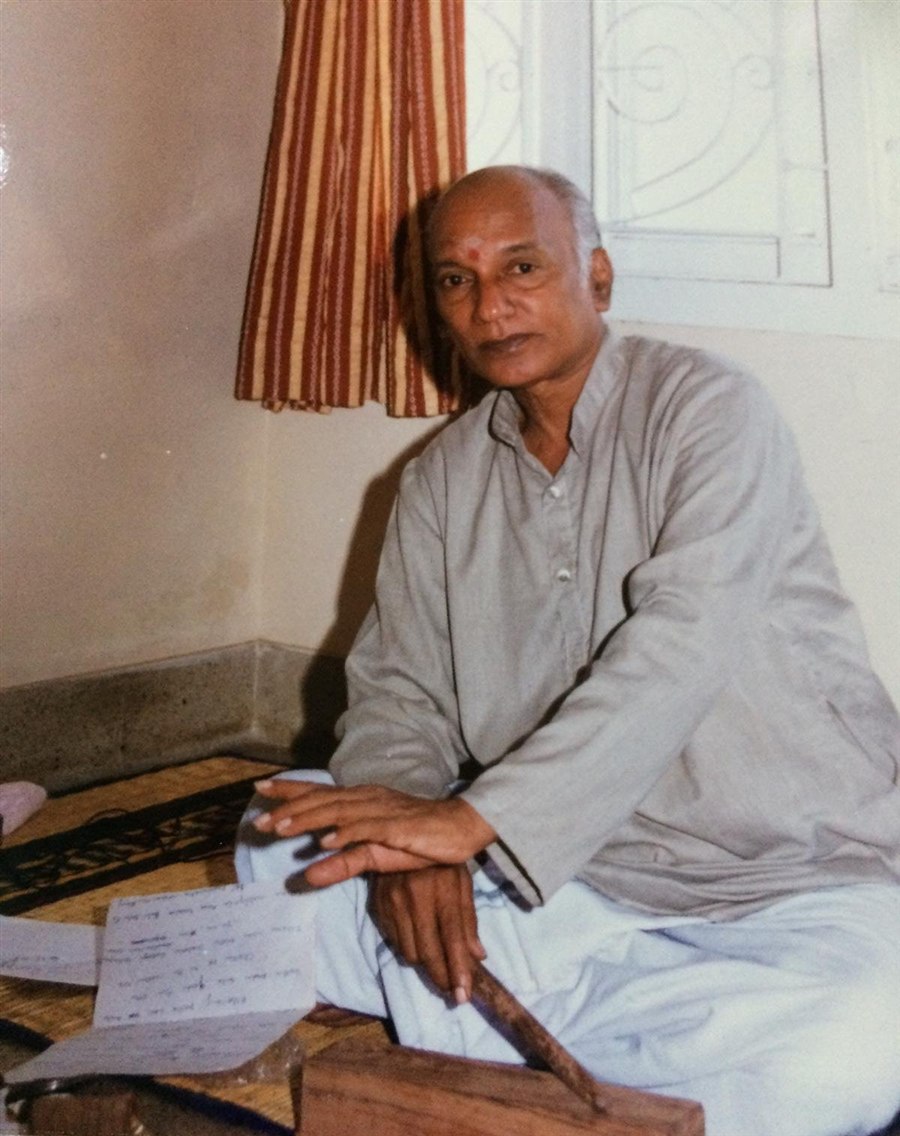
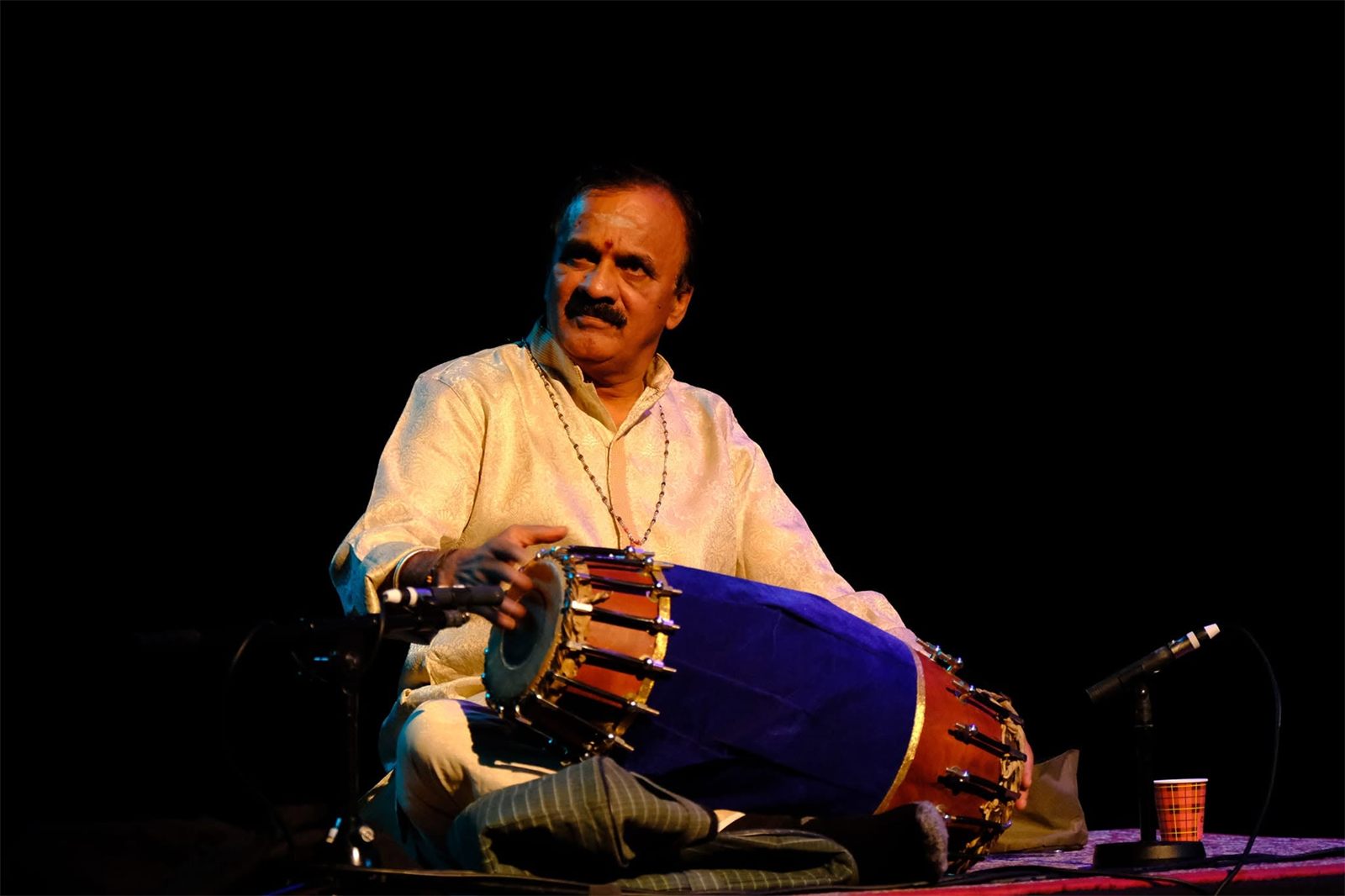
I received personal training in nattuvangam from Sri Seetharama Sharma, Sri M.D. Venkatesh and Sri S.V. Giridhara.
My teachers taught me how to recite the sollukattu and how to perform them on the nattuvangam during a dance performance with a live orchestra. This involved intensive and long-term training, both in theory and practice.
I continue to deepen my knowledge of nattuvangam through further training with Vidwan S.V. Giridhara.
Tala within Bharatanatyam training
In preparation for the arangetram, students learn:
- The seven talas of Carnatic music
- The five rhythmic variations
- How to recognise and perform rhythmic structures
Nattuvangam – specialised training
After the arangetram, specialised nattuvangam training can follow, particularly for advanced dancers and teachers.
Nattuvangam requires a thorough knowledge of:
- Music
- Compositions
- Tala and rhythmic structures
- Sollukattu
- Playing the cymbals
Workshops with Vidwan S.V. Giridhara
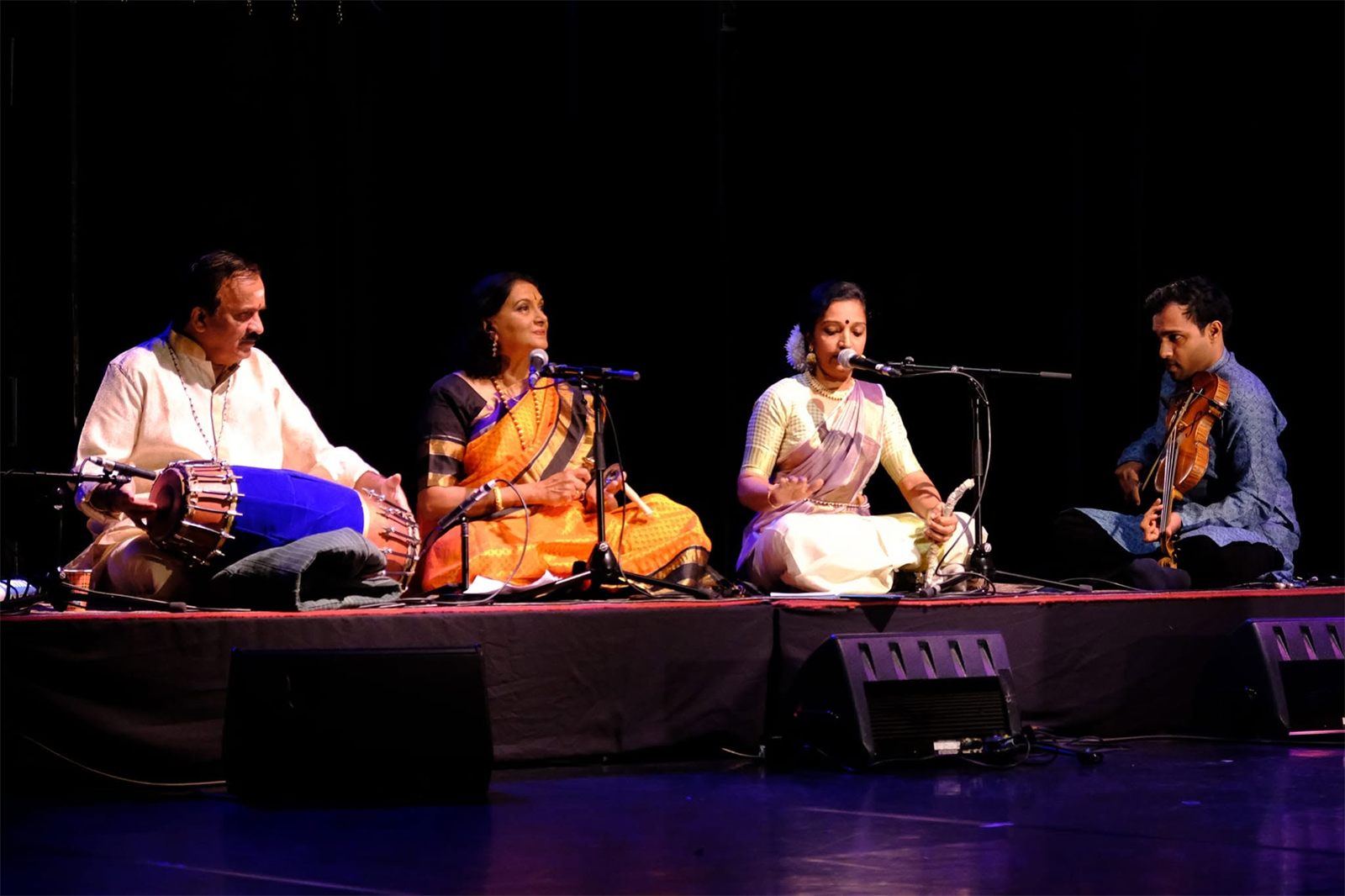
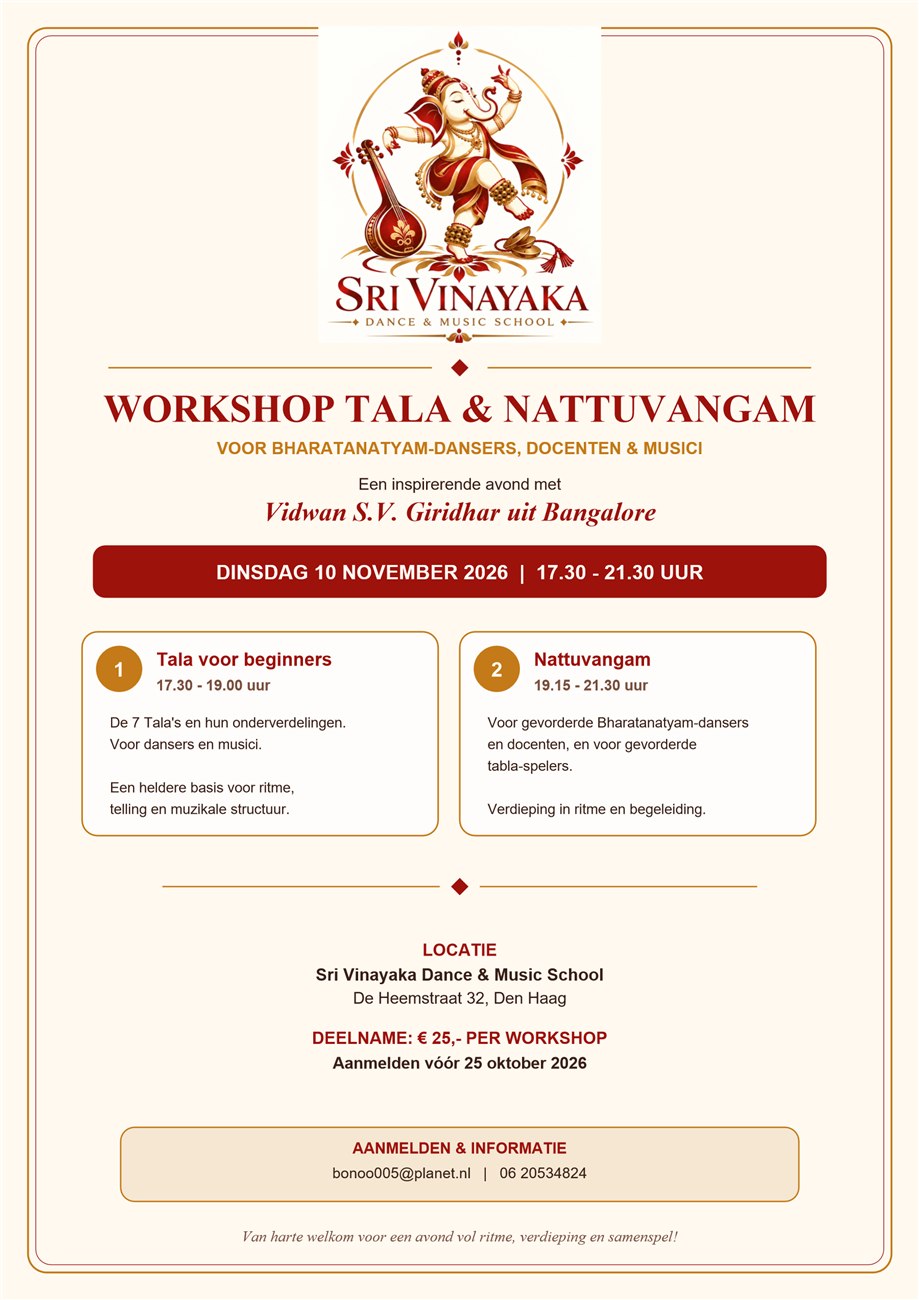
Sri Vinayaka regularly organises tala and nattuvangam workshops led by Vidwan S.V. Giridhara from Bangalore, who is affiliated with Sri Vinayaka as a teacher.
Next workshop: Tuesday 10 November 2026 · 17:30 – 21:30
Registration or more information?
For registration or further information: Sitrawatie Bonoo, telephone 06 20534824.